
Twin Breaches Expose AI’s Dangerous ‘Lock It Up’ Delusion
The Breaches That Shattered Complacency April 1, 2026, 8:04 PM. An Ars Technica journalist published an analysis of leaked source […]
AI-powered threats, deepfakes, adversarial attacks, AI safety research, and defensive AI
The Breaches That Shattered Complacency April 1, 2026, 8:04 PM. An Ars Technica journalist published an analysis of leaked source […]

Twenty hours. The Langflow project disclosed a CVSS 9.3 remote code execution flaw and released a patch on March 17

Part 6 of 6 in the Healthcare AI series. March 17, 2026. Mindgard, a UK-based AI security firm, publishes a

Part 5 of 6 in the Healthcare AI series. On March 11, 2026, the Stryker hack began not with malware

On March 5, 2026, the National Vulnerability Database published CVE-2026-21536 — a CVSS 9.8 remote code execution flaw in Microsoft’s

Affiliate Disclosure: This article contains affiliate links. We may earn a commission if you purchase through these links, at no

Affiliate Disclosure: This article contains affiliate links. We may earn a commission if you purchase through these links, at no
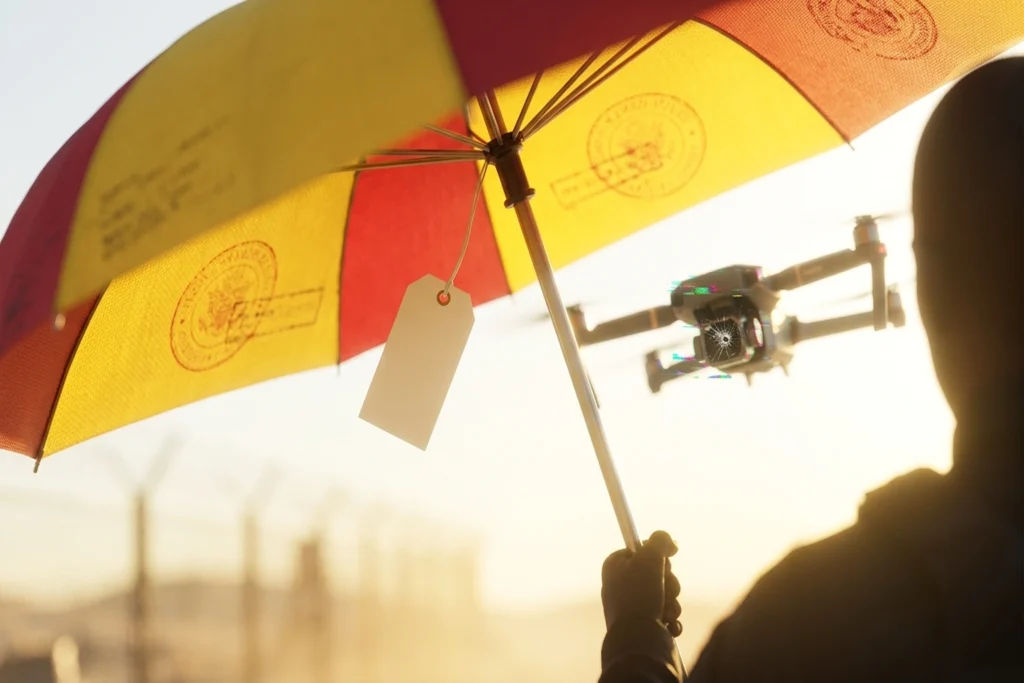
Before December 22, 2025, a UC Irvine research team completed a series of controlled experiments that should concern every agency

Part 3 of 6 in the Healthcare AI series. FDA AI Medical Device PCCP Guidance, Explained On December 3, 2024,

Affiliate Disclosure: This article contains affiliate links. We may earn a commission if you purchase through these links, at no

On September 12, 2022, security researcher Riley Goodside demonstrated a prompt that would define the dominant attack vector against LLM

Part 1 of 4 in the OpenClaw Saga series. This investigation documents OpenClaw AI agent security vulnerabilities. Affiliate Disclosure: This